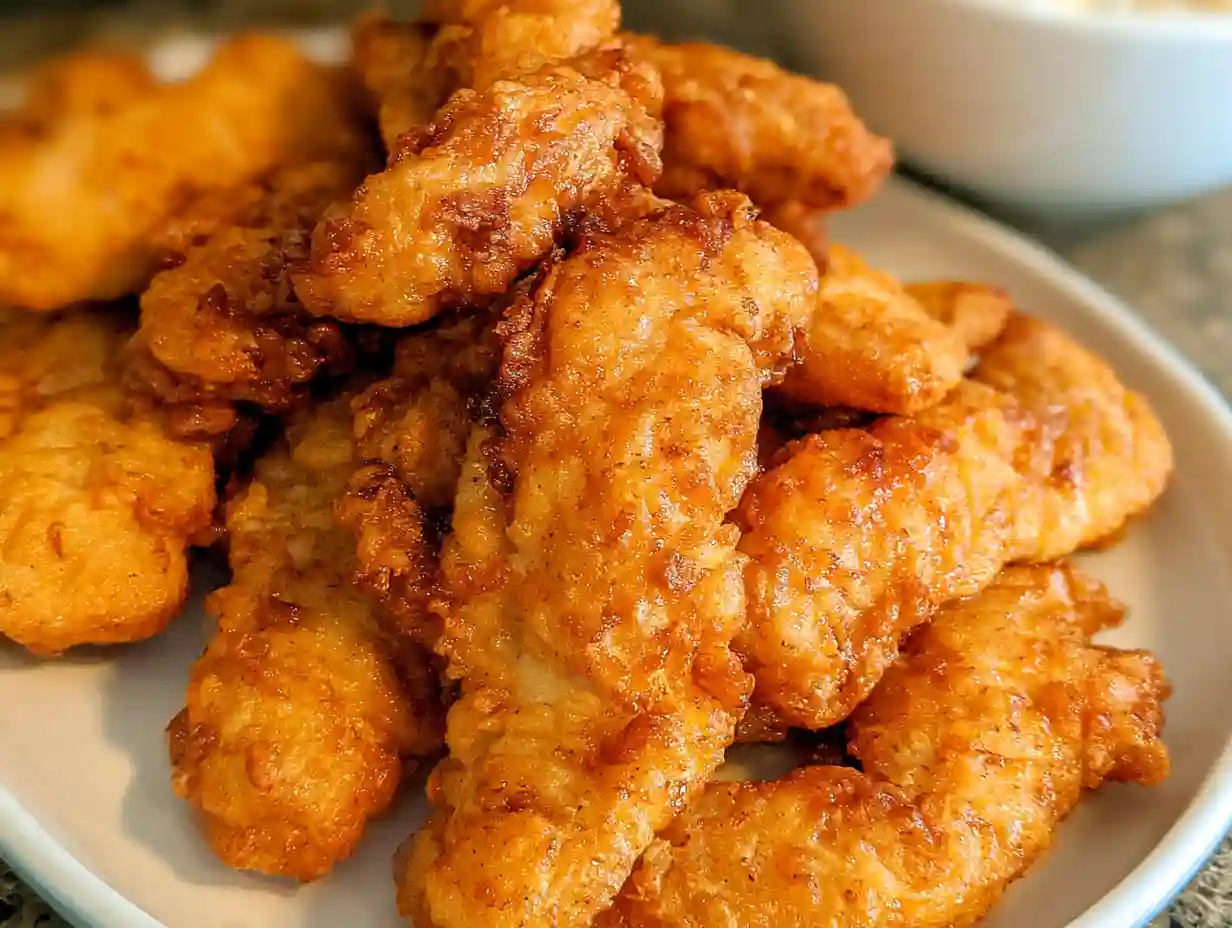
There is something magical about pulling a batch of Homemade Chicken Tenders from hot oil. The golden crust shatters under your fork while the inside stays impossibly juicy. I still remember the first time I made these at home. My kids declared them better than any restaurant version. That moment hooked me on mastering the perfect crispy coating and tender interior balance.
These Homemade Chicken Tenders Fried to perfection have become our go-to weeknight dinner. The buttermilk soak keeps the meat moist while the seasoned flour creates that irresistible crunch. Adding ranch seasoning to the breading takes everything up a notch. You get herby, tangy flavor in every bite without needing extra sauce. Though let us be honest. Ranch dipping sauce is still mandatory at our table.
What makes these the Best Homemade Chicken Tenders comes down to technique. Double dredging creates layers of crunch. The oil temperature matters more than you think. Too hot and the outside burns before the inside cooks. Too cool and you end up with greasy disappointment. Get it right and you have crispy perfection that rivals your favorite takeout spot.
How To Make Ranch Chicken Tenders at Home
Starting with quality chicken makes all the difference. Look for fresh tenderloins that are similar in size. This ensures even cooking throughout the batch. If you only have chicken breasts, slice them into strips about three quarters of an inch thick. The uniform size helps everything finish at the same time.
The buttermilk marinade does heavy lifting here. It tenderizes the meat while adding subtle tang. Mix in some hot sauce for depth. The acidity breaks down proteins gently. Thirty minutes works fine. Overnight gives you next level results. Plan ahead when you can. Your future self will thank you when dinner comes together fast.
Building the breading station takes just minutes. You need three shallow bowls. One for seasoned flour. One for egg wash. One for panko mixed with ranch seasoning. This three step process creates the crunchiest Homemade Crispy Chicken Tenders you will ever make. The panko adds serious texture. The ranch powder brings savory herb flavor throughout.

Heating oil to the right temperature is crucial. Aim for 350 degrees Fahrenheit. A thermometer helps but you can test with a pinch of flour. It should sizzle immediately without burning. Work in batches to avoid crowding. Crowded pans drop the oil temp and make everything soggy. Patience pays off with perfectly golden results every time.
Chicken Tender Recipes Ranch Seasoning Variations
Classic ranch works beautifully. But do not stop there. Buffalo ranch adds heat and tang. Mix buffalo sauce into your buttermilk soak. Add extra cayenne to the flour. You get spicy Homemade Chicken Tenders Snack perfect for game day. The cooling ranch balances the fire nicely.
Lemon pepper ranch brings brightness. Add fresh lemon zest to the panko mixture. Crack extra black pepper into the flour. These Homemade Chicken Tenders Meal ideas work with pasta salads or roasted vegetables. The citrus cuts through the richness. It feels lighter while staying satisfying.
Bacon cheddar ranch takes indulgence seriously. Crumble cooked bacon into the panko. Add sharp cheddar cheese to the flour. You get savory, smoky, cheesy bites. These Easy Ranch Chicken Tenders disappear fast. Serve with extra ranch for dipping. Maybe add some blue cheese dressing for variety.
Pro Tips for Perfect Homemade Chicken Tenders
- Pat chicken completely dry before breading for better adhesion
- Let breaded tenders rest five minutes before frying to set the coating
- Use a wire rack for draining instead of paper towels to prevent sogginess
- Keep finished tenders warm in a 200 degree oven while frying remaining batches
- Season the flour generously. The coating needs salt and flavor
Troubleshooting Tips and Common Mistakes
Soggy coating usually means oil was not hot enough. The chicken absorbs oil instead of sealing quickly. Next time wait for proper temperature. Also drain on a rack not paper towels. Steam trapped underneath makes the bottom soft.
Breading falling off happens when chicken is wet. Pat it thoroughly before starting. Press the coating firmly onto each tender. The egg wash acts as glue. Make sure every surface gets covered evenly.
Uneven cooking comes from inconsistent sizes. Cut all pieces to match. Thick ends cook slower than thin tips. Uniform strips finish together. This prevents some pieces being dry while others stay undercooked.
Ingredient Substitutions and Swaps
No buttermilk? Mix one cup milk with one tablespoon lemon juice or vinegar. Let it sit five minutes. It curdles slightly and works the same way. Greek yogurt thinned with milk also works in a pinch.
Panko not available? Regular breadcrumbs work but give denser texture. Crushed cornflakes add serious crunch. Ritz crackers crushed fine bring buttery flavor. Get creative with what you have.
Ranch seasoning packets vary by brand. Use what you like. Make your own with dried parsley, dill, garlic powder, onion powder, salt and pepper. Control the sodium and skip preservatives.
Storage and Serving Suggestions
Store leftover Homemade Chicken Tenders in an airtight container for up to three days. Reheat in a 400 degree oven for ten minutes. This restores crispiness better than microwaving. Air fryers work great too. Five minutes at 375 degrees brings them back to life.
Freeze cooked tenders on a baking sheet until solid. Transfer to freezer bags for up to three months. Reheat from frozen in a 375 degree oven for fifteen minutes. They taste almost as good as fresh.
Serve with ranch dressing obviously. Also try honey mustard, BBQ sauce, or spicy mayo. Pair with coleslaw and fries for classic combo. Toss over salads for protein packed lunches. Wrap in tortillas with lettuce and tomato for quick wraps.
Frequently Asked Questions
Can I bake these instead of frying?
Yes. Bake at 425 degrees for 15 to 20 minutes. Flip halfway through. Spray with cooking oil for better browning. They will not be quite as crispy but still delicious.
How do I make these gluten free?
Use gluten free flour and gluten free panko. Check ranch seasoning labels for hidden wheat. Most brands are safe but verify ingredients.
Can I use an air fryer?
Air fry at 400 degrees for 10 to 12 minutes. Flip halfway. Spray with oil for best results. Works great for smaller batches.
What oil is best for frying?
Use neutral oils with high smoke points. Canola, vegetable, or peanut oil work well. Avoid olive oil which burns at high heat.
How do I know when they are done?
Internal temperature should reach 165 degrees Fahrenheit. Use a meat thermometer for accuracy. The coating should be deep golden brown.
Can I prep these ahead?
Bread the tenders and refrigerate up to 24 hours before frying. Let them come to room temperature for 15 minutes before cooking for even results.
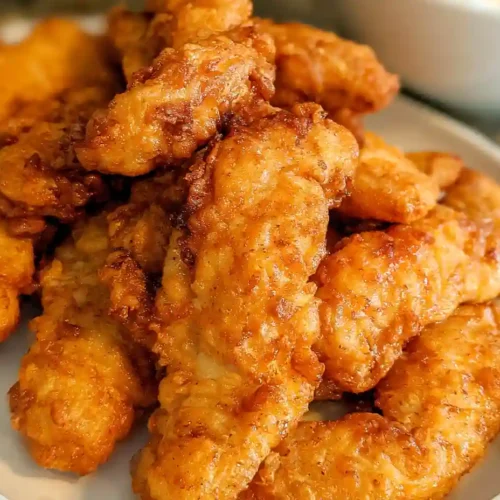
Homemade Chicken Tenders with Ranch

Equipment
- Deep skillet or Dutch oven
- Three shallow bowls
- Wire rack
- Cooking thermometer
- Paper towels
Ingredients
- 1 pound chicken tenderloins patted dry
- 1 cup buttermilk
- 1 tablespoon hot sauce optional
- 1 cup all-purpose flour
- 1 teaspoon salt
- 1/2 teaspoon black pepper
- 1/2 teaspoon garlic powder
- 2 large eggs beaten
- 1 cup panko breadcrumbs
- 1 packet ranch seasoning mix divided
- 4 cups vegetable oil for frying
Instructions
- In a bowl, combine chicken tenderloins, buttermilk, and hot sauce. Mix well and refrigerate for at least 30 minutes or up to overnight.
- In the first shallow bowl, whisk together flour, salt, pepper, garlic powder, and half the ranch seasoning.
- Place beaten eggs in the second bowl. In the third bowl, combine panko with remaining ranch seasoning.
- Remove chicken from buttermilk. Dredge each tender in flour mixture, then dip in egg, then coat with panko mixture. Press coating firmly. Place on wire rack and rest 5 minutes.
- Heat oil in deep skillet to 350°F. Working in batches, fry tenders 3-4 minutes per side until golden brown and internal temperature reaches 165°F.
- Drain on wire rack. Serve immediately with ranch dressing for dipping.
Notes
- For extra crispy results, double dredge by repeating the flour-egg-panko process
- Keep oil temperature consistent by not overcrowding the pan
- Let breaded chicken rest before frying to help coating adhere better